✦ Mantra & Sadhana

Unveiling the Mystery of the Moon on Lord Shiva's Head

Unveiling the Mystery of the Moon on Lord Shiva's Head
In the realm of Hindu mythology, Lord Shiva's majestic form is often adorned with a crescent moon on his head, leaving many to wonder about the significance of this celestial symbol. As we delve into the mysteries of the moon's presence on Lord Shiva's head, we'll uncover the spiritual and symbolic connections that reveal the deeper meaning behind this ancient iconography.
 

Significance of Moon on the head of Lord Shiva

By Diptimayee parida | bangalore August 22, 2017

The supreme Lord Shiva has many symbols, and one of them is the moon on his head. There is a story about this in our mythology. Daksha's twenty-seven daughters were married to God Chandra. One of Chandra's wives, named Rohini, was loved more than his other wives. So, the other wives of the moon complained to their father about this. Daksha warned his son-in-law to devote himself equally to all wives. However, Chandra didn't listen to any warnings from Daksha. Daksha then cursed the moon, saying that it would gradually fade away.
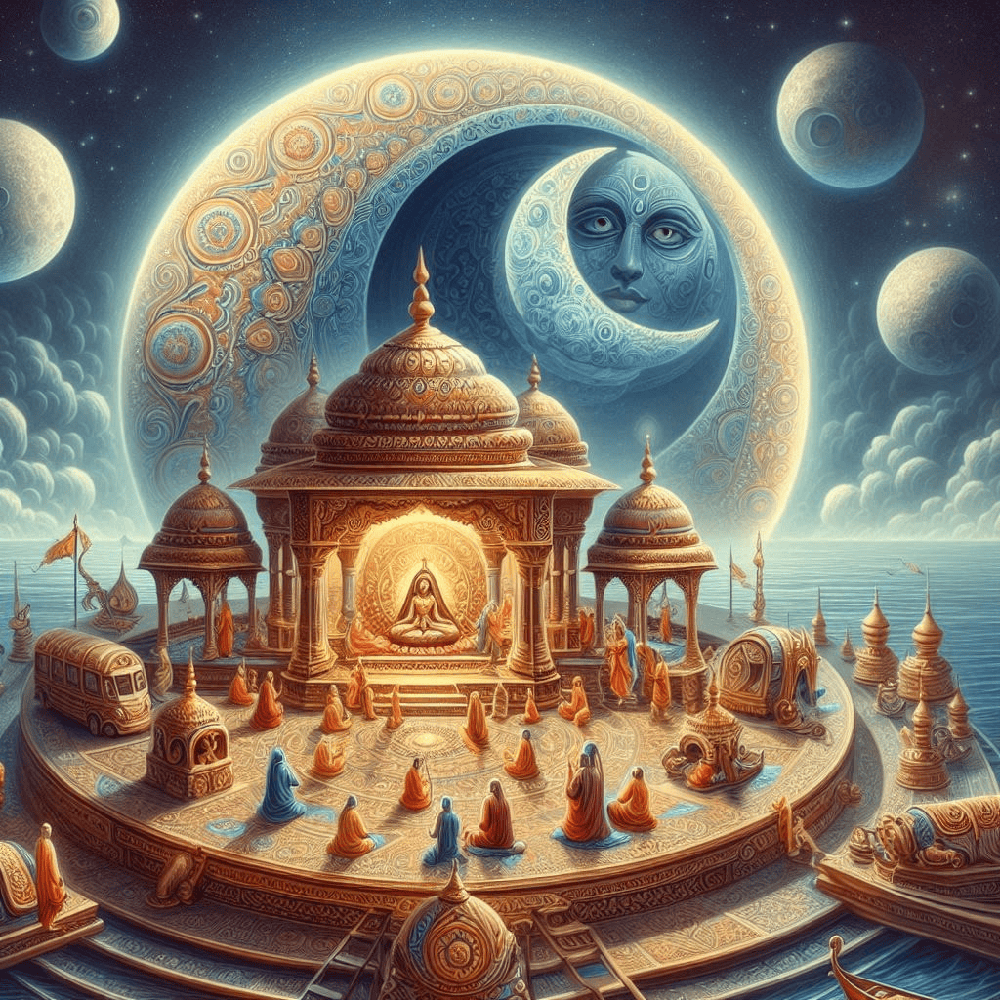
spiritual significance of the moon in Hinduism

After this, the moon started losing its luminescence every day and didn't know what to do. It got afraid and, with the advice of Brahma, Chandra went to Prabhasa Tirtha and made a linga on the bank of the River Saraswati. There, he prayed to  Lord Shiva for six months. At the end, Shiva appeared before Chandra and granted him a boon. Then, Chandra explained his problem.

Then, Shiva answered that Daksha's curse couldn't be entirely ignored. He said, "During Krishnapaksha, you will wane. In Shuklapaksha, you will wax; this is the solution to this problem." Chandra became very happy and took refuge in Lord Shiva. Lord Shiva wore the moon crescent on his head, making it grow for 15 days and decay for 15 days periodically.
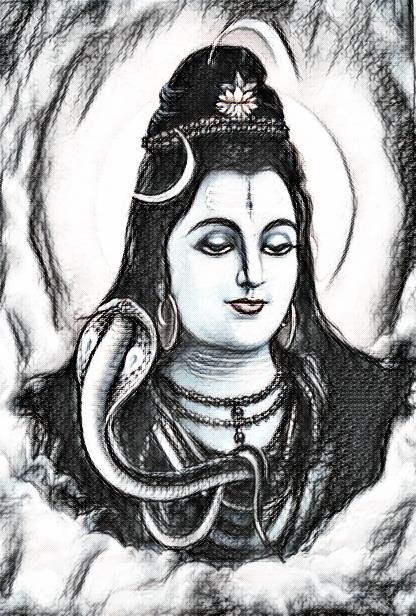
lord shiva


The linga to which Chandra prayed is Somnath, the first of the Jyotirlingas. The legend says that Somnath is the first temple, which was built by Chandra Dev himself. So, Somnath means the protector of the moon god.

  • The crescent moon symbolizes that he has controlled the mind perfectly.
  • The crescent moon on Shiva's head looks like an ornament. The waxing and waning phenomenon of the moon indicates the time cycle through which creation evolves from beginning to end. Since the lord is eternal reality, but he is beyond time.
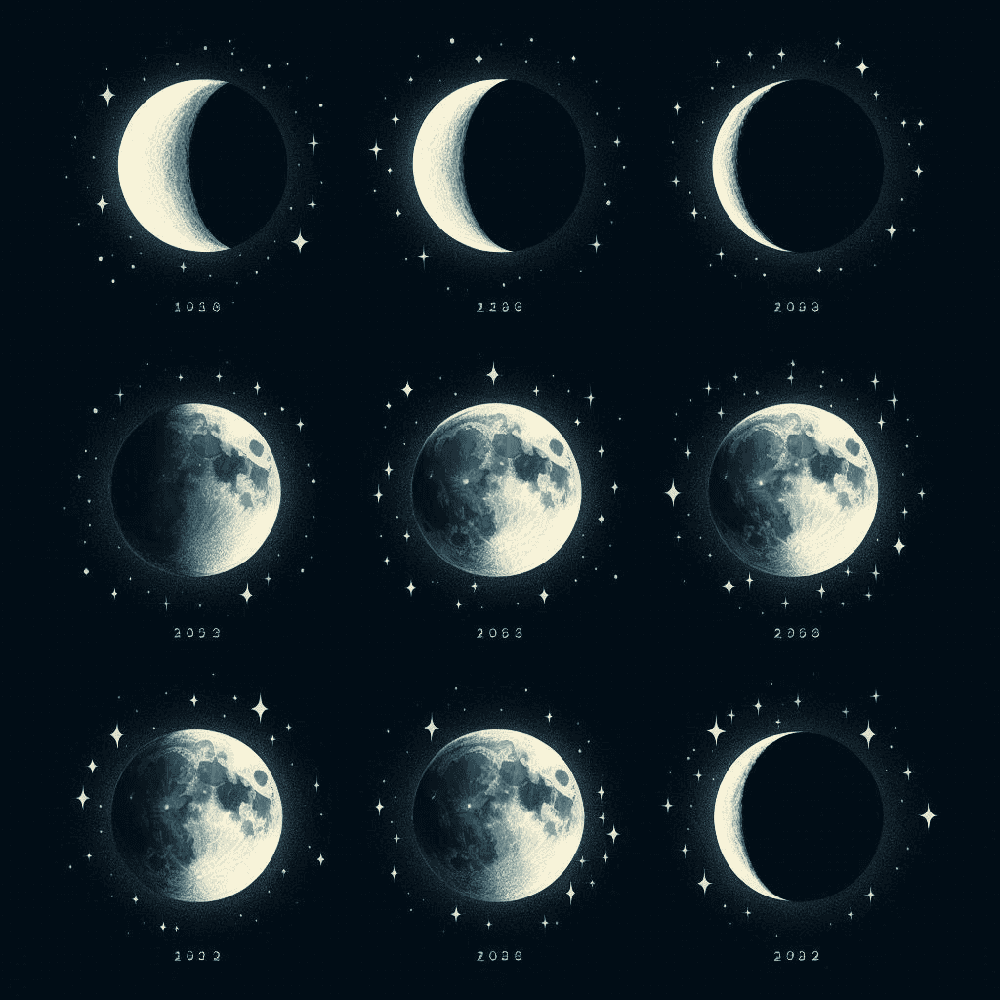
moon in different phases

Conclusion:
As we've explored the mystery of the moon on Lord Shiva's head, we've uncovered the rich symbolism and spiritual significance that underlies this ancient icon. May this knowledge inspire you to deepen your understanding of Hindu mythology and the divine.

Ready to unlock the secrets of Hindu mythology and spirituality? Explore our resources and courses to further your knowledge of Lord Shiva, the moon, and their significance in Hinduism.

          
diptimayee parida

Diptimayee parida India

Contributor at Ommrudraksha

Diptimayee parida is a writer and Story teller. A Social activist.Connect with her at LinkedIn.

✦ SACRED JYOTISH GUIDANCE

Need Personal Vedic Guidance for Your Kundli?

Our experienced specialists in Bengaluru verify authentic Nepal & Java Rudraksha and Jyotish gemstones matched to your birth chart.

✦ Recommended Authentic Rudraksha & Gemstones

View All ➔

Related Articles in Mantra & Sadhana

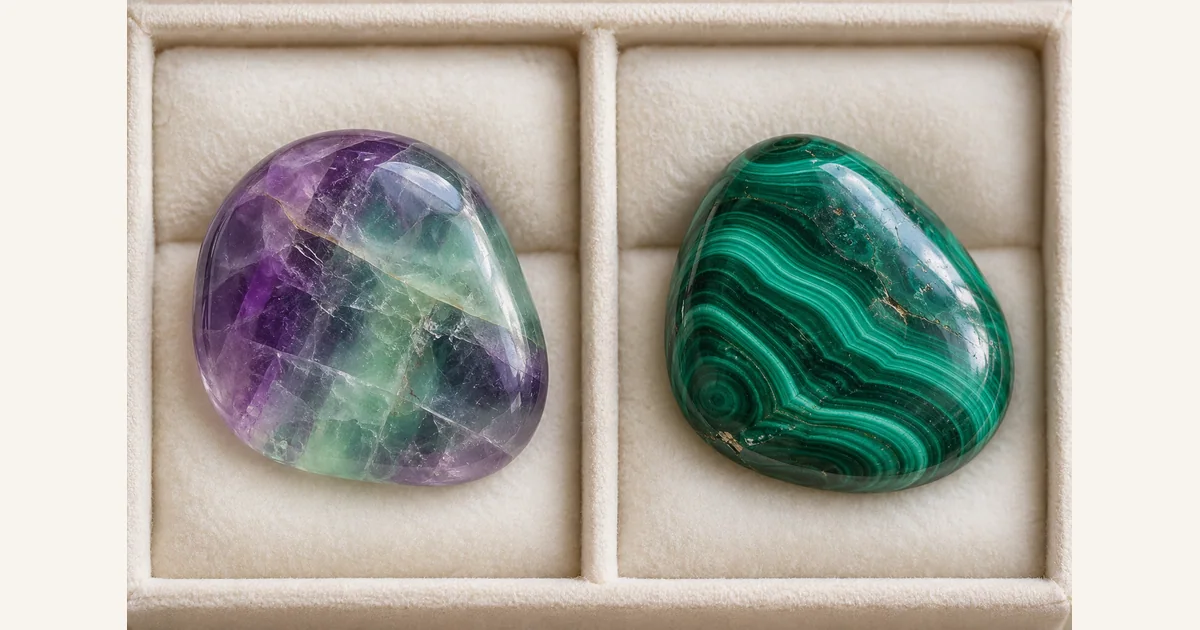
Fluorite & Malachite Tumbled Stones: Care, Vastu and Storage

Fluorite & Malachite Tumbled Stones: Care, Vastu and Storage

Fluorite, malachite and other delicate tumbled minerals need different handling from quartz. Learn their hardness, cleavage, Vastu display uses, safe storage and packing.

✦ 23 min read Read Guide ➔
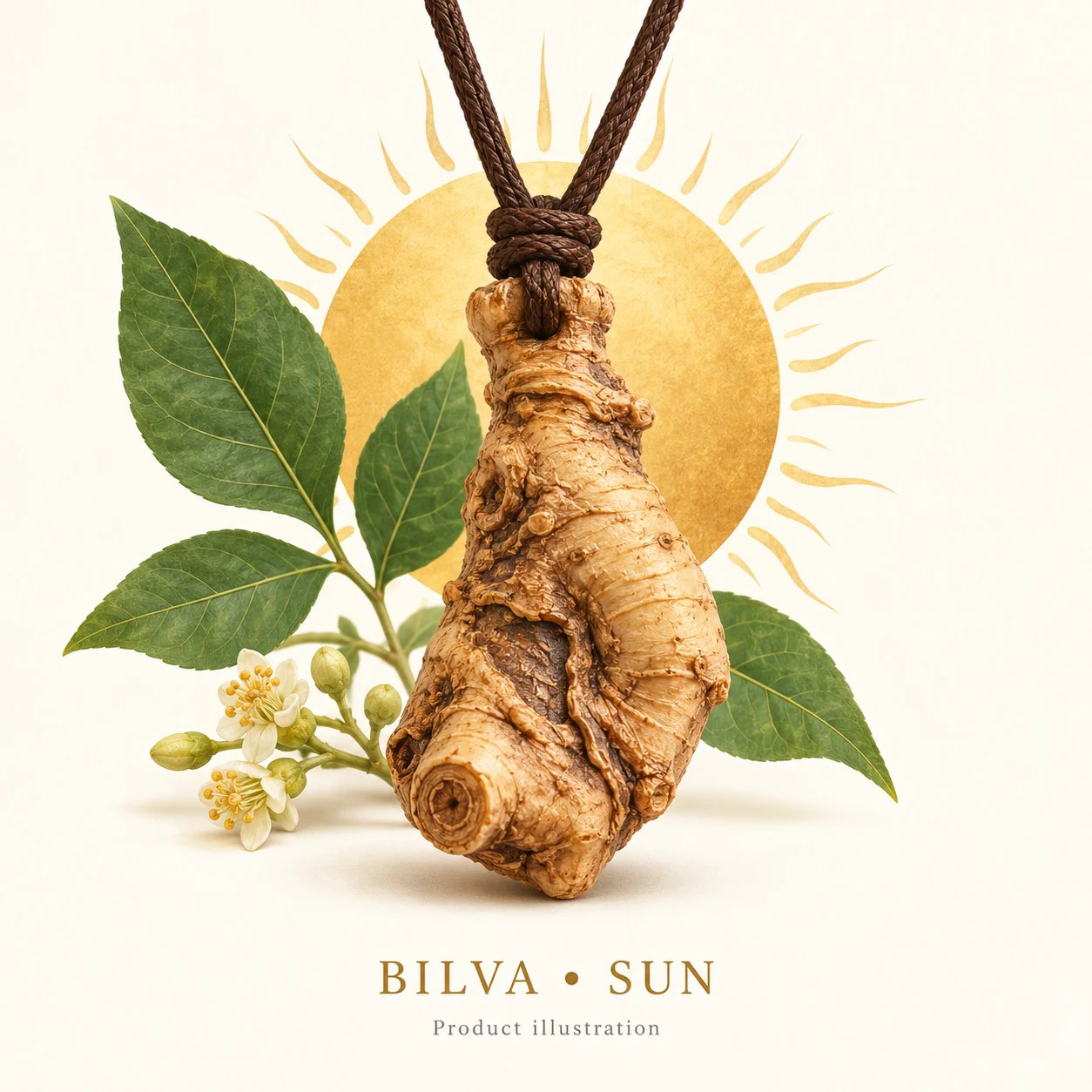
Bilva (Bael) Tree and Surya: Sacred Meaning, Shiva Worship and Botanical Heritage

Bilva (Bael) Tree and Surya: Sacred Meaning, Shiva Worship and Botanical Heritage

An in-depth guide to the Bilva (Bael) tree: botanical identity, sacred Bilva leaves in Shiva worship, regional traditions, the distinct Surya herbal-pendant association, Ayurvedic root terminology, ethical sour…

✦ 53 min read Read Guide ➔
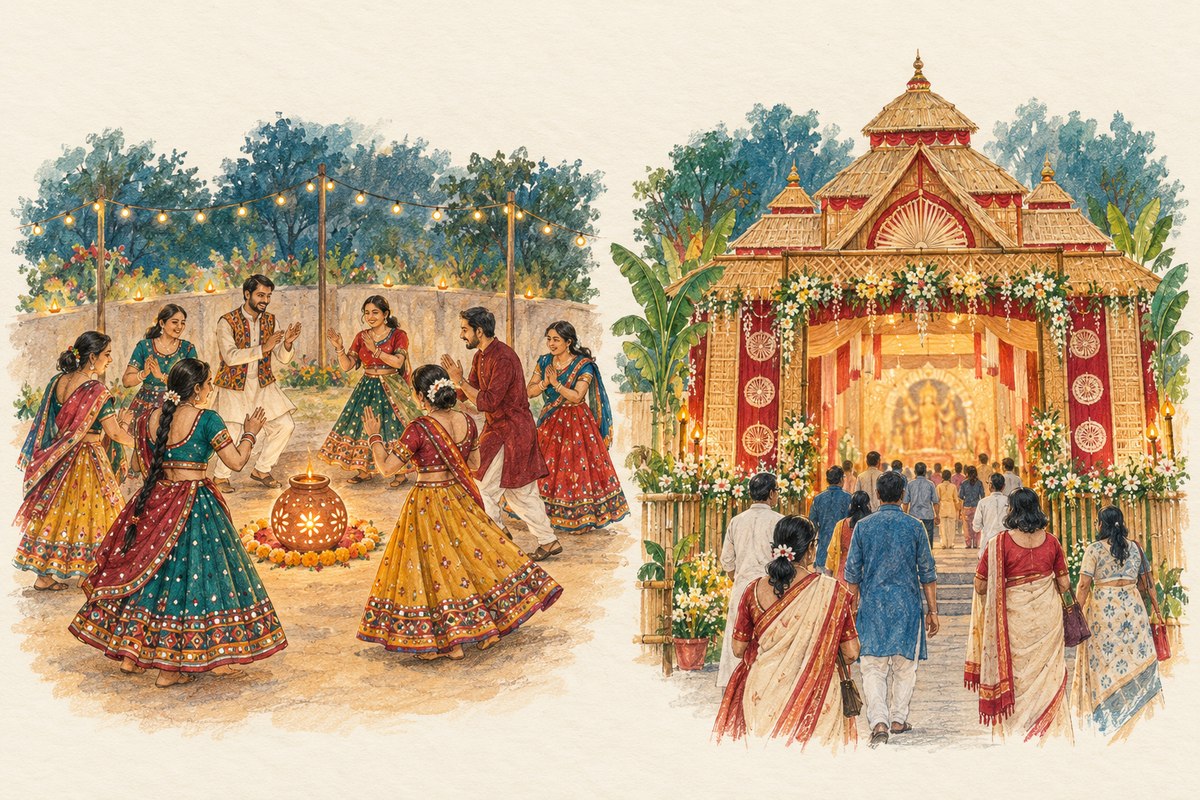
Navratri vs Durga Puja: Garba, Golu, Dasara & Regional Traditions

Navratri vs Durga Puja: Garba, Golu, Dasara & Regional Traditions

A detailed comparison of Navratri and Durga Puja traditions across India: Bengali pandals, Gujarati Garba, Mysuru Dasara, Golu, Bathukamma, Kerala Vidyarambham, tithi dates, respectful visiting and household wo…

✦ 43 min read Read Guide ➔
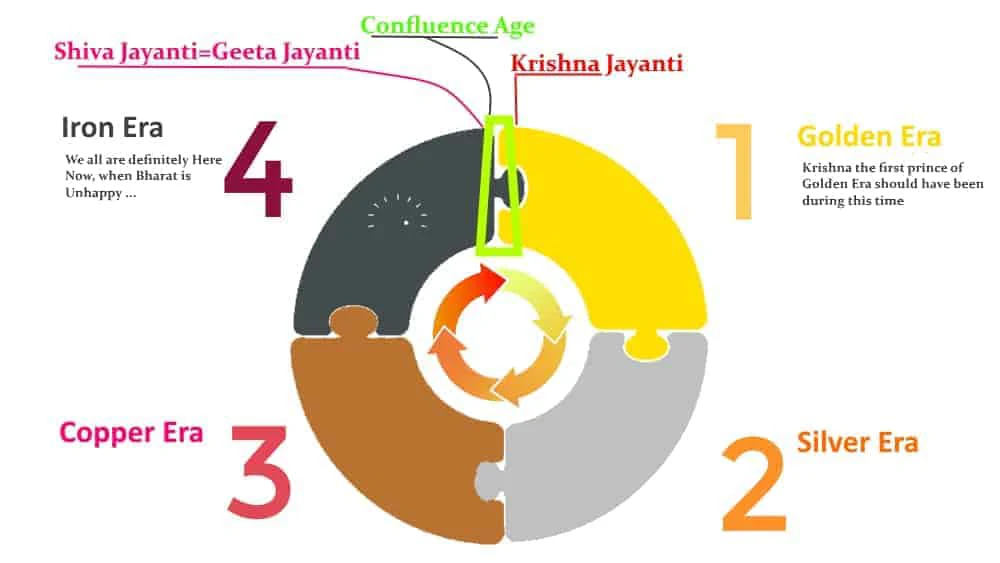
Shiva Jayanti and Krishna Jayanti - God is not omnipresent

Shiva Jayanti and Krishna Jayanti - God is not omnipresent

The God, the ocean of knowledge. He cannot be omnipresent. If he is present in any good soul person here, then why the person is not able to behave like god, not able to work like god, not able to .... If we sa…

✦ 6 min read Read Guide ➔

Devotee Comments & Inquiries (0)

Ask a Question ↓

No devotee comments posted yet. Have a question about this Rudraksha or Vedic recommendation? Leave a question below.

Leave a Question or Devotee Experience

All comments are reviewed by our team before appearing on this page.

Astrology Showroom WhatsApp Specialist