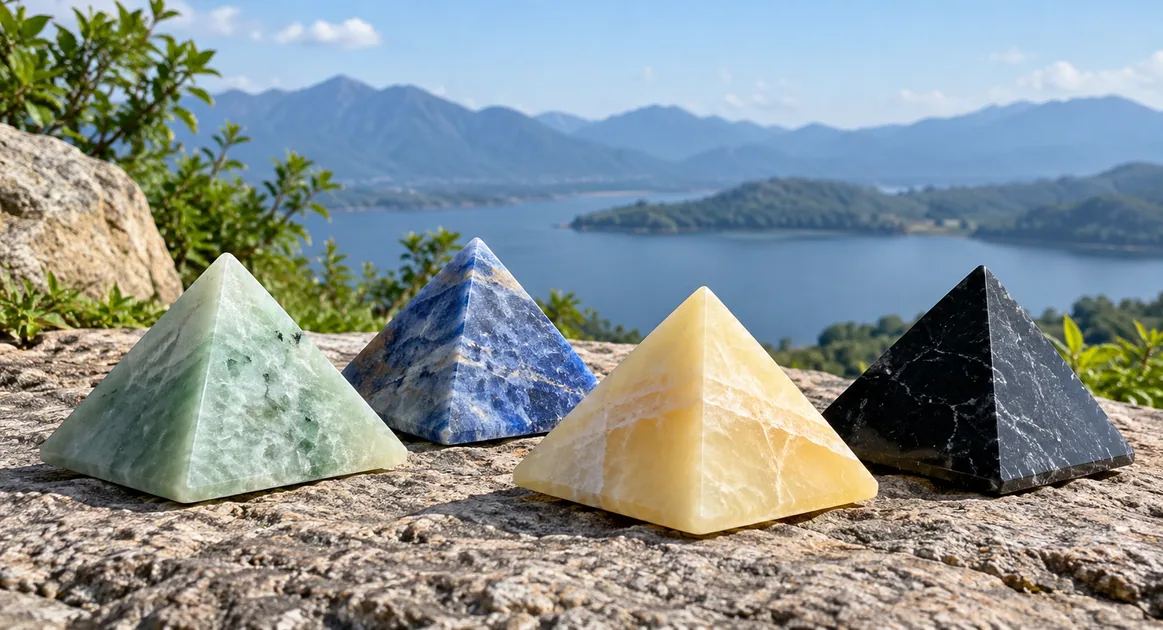
Green jade, blue jade, yellow jade and black jade pyramids can look like four varieties of the same gemstone, but a colour label is not a mineral identification. A genuine jadeite or nephrite carving can be green, pale, yellowish or very dark; another pyramid with an almost identical colour can be serpentine, aventurine, quartzite, glass or another decorative stone. For an informed Vastu purchase, establish the actual material, whether it has been treated, how the pyramid was cut and how the seller describes the colour. Only then compare symbolic meaning, placement and price.
This guide distinguishes jadeite jade, nephrite jade and common jade trade names, explains green, blue, yellow and black pyramid offerings, and offers a repeatable method for evaluating loose or packaged pyramid sets. It also explains how jade symbolism relates to Chinese traditions, Indian Ratna and Vastu terminology, and the newer practice of arranging coloured crystals in a home or consultation room. The material identity and spiritual application are two related but separate questions.
1. What does the word jade actually identify?
For most commercial gemology, the principal jade materials are jadeite and nephrite. Jadeite is a pyroxene mineral; nephrite is a very tough, interlocking aggregate of amphibole minerals in the tremolite–actinolite series. They have different internal structures, yet both can take a fine polish and have a long history as carved ornaments. Some modern laboratory nomenclature also recognises qualifying green omphacite as jade; identification and naming of mixed pyroxene materials may require specialist analysis. It is therefore more informative to ask for the identified material than to accept only the broad word jade.
| Material | What it is | What a pyramid buyer should know | Reporting language |
|---|---|---|---|
| Jadeite jade | Jadeite-rich pyroxene material; can be green, white, lavender and other colours | Fine texture, translucency and treatment history strongly influence assessment; colour alone does not authenticate it | Ask for “jadeite jade” with treatment findings |
| Nephrite jade | Dense, fibrous amphibole aggregate, prized for toughness | May be creamy white, green, brown, dark or nearly black; often takes a smooth, waxy-looking polish | Ask for “nephrite jade” with treatment findings |
| Qualifying omphacite | Pyroxene material occurring in some jade-like gem rocks | In some cases green omphacite falls within modern jade usage; distinction can need advanced analysis | Follow the laboratory's precise identification |
| Jade lookalike | Serpentine, aventurine quartz, quartzite, glass or another material | May be a beautiful carved pyramid, but is not automatically genuine jade | Use the real mineral or material name, with trade name only as clarification |
The distinction matters commercially as well as spiritually. A polished green aventurine pyramid might be an excellent choice for a contemporary green-stone Vastu arrangement, but its invoice should not suggest that the buyer has obtained an expensive untreated jadeite carving. Conversely, a dark genuine nephrite piece is not inferior simply because it lacks the bright green colour many shoppers associate with jade.
2. Green jade pyramids: the familiar name with the widest confusion
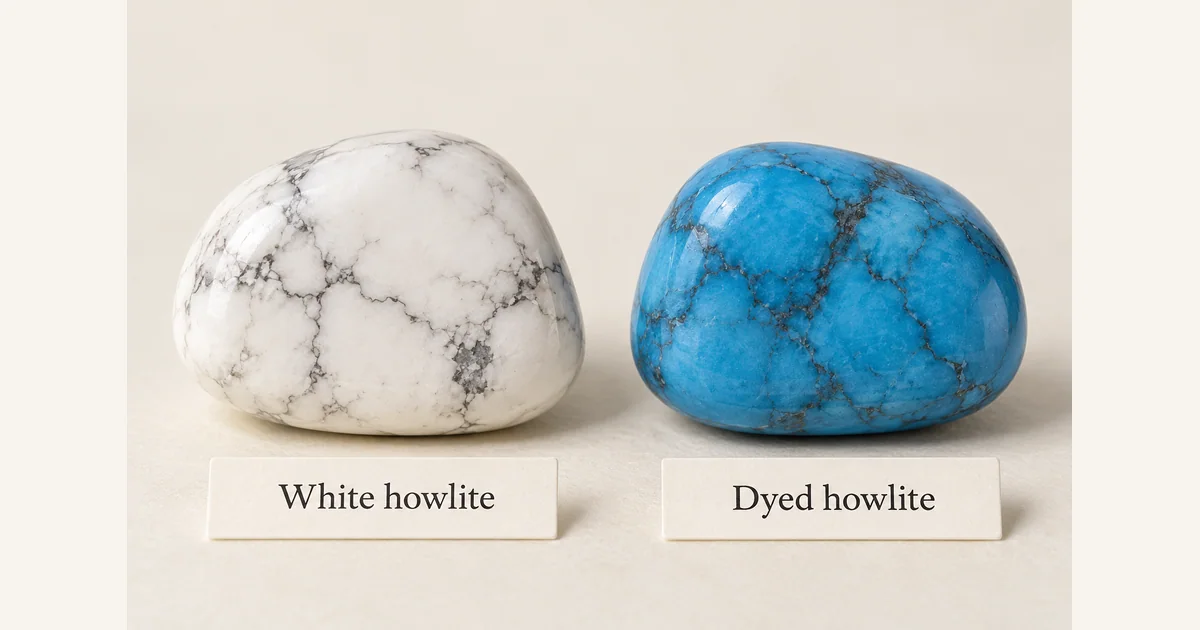
Green is the colour most strongly associated with jade, especially fine jadeite, but green is not proof of jade. Nephrite commonly appears in subdued or spinach-like greens. Jadeite ranges from pale apple greens through vivid emerald-like tones, sometimes with mottling or translucency. Sellers may also use “green jade” for serpentine, green aventurine, dyed chalcedony, dyed quartzite or even manufactured material. Each can have a smooth polished surface and attractive colour in a photograph.
A fine jadeite carving may show depth and an interlocking grain under suitable magnification. A nephrite piece may have a compact felted texture. Aventurine quartz sometimes shows fine reflective inclusions, and serpentine can show a softer-looking, waxy finish. Those observations are clues, not a reliable diagnosis from a phone camera or a single lamp. Both genuine jade and non-jade materials can be uniform or patterned, translucent or opaque. The correct question is “What mineral is this pyramid carved from?” rather than “Is it the right shade of green?”
For Vastu use, a green pyramid is often chosen in contemporary practice as a visual symbol of growth, renewal and harmonious surroundings. That preference does not require renaming an accurately identified aventurine pyramid as jade. An honest choice can be labelled “green aventurine pyramid for contemporary Vastu display”, while a confirmed genuine piece may be labelled “nephrite jade pyramid”. Mineral identity strengthens, rather than weakens, traditional presentation.
3. Blue jade pyramids: rare jade exists, but the colour name is not evidence
Blue is particularly prone to confusion. Rare bluish jadeite is known, including material reported from Guatemala. Nevertheless, a bright sky-blue or turquoise-coloured pyramid advertised as “blue jade” could instead be dyed quartz, dyed magnesite, sodalite, amazonite, glass or another blue stone. Nephrite and mixed pyroxene materials also need specialist identification where a seller makes an unusual claim. A highly saturated photograph may be influenced by lighting or editing as well as dye.
Request photographs in natural diffuse light and neutral indoor light, a view of the underside, the actual mineral identification and treatment disclosure. If the vendor describes the material only as “blue jade crystal”, treat that as a sales description until its identity is confirmed. If the offered price is modest, do not infer the piece must be natural rare blue jadeite merely because that variety exists. If it is an attractive dyed stone, the accurate name and care instructions may still make it a suitable decorative purchase.
In newer crystal-display practice, blue is associated with calm communication, reflection or a cool-coloured zone. That is a thematic modern arrangement; it is not evidence that classical Vastu texts required “blue jade pyramids” in a named corner. This distinction is important when writing a product description or explaining a recommendation to a customer.
4. Yellow jade pyramids: honey, cream and dyed substitutes
Yellow jade is another broad expression. Some genuine jade material occurs in cream, honey, yellowish-brown or warm tones. Natural colour can involve the underlying material and staining or weathering. But sellers also apply “yellow jade” to yellow serpentine, yellow quartz or quartzite, dyed chalcedony and similarly coloured decorative minerals. A polished yellow surface cannot identify the underlying rock.
Ask whether the pyramid is jadeite, nephrite or a named non-jade mineral. Request a treatment statement and clear photographs of any bands, fissures or colour concentrations. Yellow colour alone does not establish that the gemstone is untreated. For a contemporary Vastu arrangement, yellow is often chosen to represent brightness, learning or an auspicious visual focus; for formal Jyotisha gemstone selection, however, yellow jade must not be silently substituted for Pukhraj (yellow sapphire), the classical gemstone commonly associated with Guru or Brihaspati.
5. Black jade pyramids: very dark jade or an entirely different stone?
Some nephrite and jadeite material looks dark green, deep grey or black in ordinary lighting; genuine dark jade can be valid. Others sold as black jade may be dyed stone, black serpentine, obsidian, onyx, shungite-like rock or glass. Under a strong backlight, a thin edge may reveal greenish translucency in some specimens, but thick opaque objects and mixed materials make this observation inconclusive. A magnet, scratch test or torchlight demonstration cannot alone certify jade.
Black tourmaline and obsidian have their own mineral identities, construction patterns and contemporary spiritual associations. Do not relabel them as black jade to imply that all dark pyramids are interchangeable. A professional Vastu kit can legitimately contain several different black materials precisely to teach differences of formation, appearance and symbolic purpose. Its value comes from correct naming, comparison and appropriate use.
| Colour label on a pyramid | Possible genuine-jade reading | Common alternative or issue | First question to ask |
|---|---|---|---|
| Green jade | Green jadeite or nephrite | Serpentine, aventurine, dyed quartzite, glass | Jadeite, nephrite or what other identified material? |
| Blue jade | Rare bluish jadeite or qualifying identified material | Dyed minerals, amazonite, sodalite, synthetic-looking colour | What evidence supports an unusual blue-jade claim? |
| Yellow jade | Yellowish or creamy genuine jade | Yellow serpentine, dyed quartz or a colour trade name | Is the yellow colour natural, treated or applied? |
| Black jade | Very dark jadeite or nephrite | Obsidian, onyx, tourmaline, serpentine, glass | Has the actual black mineral been identified? |
6. Jade trade names that a careful buyer should recognise
Jade-like appearance has led to many regional and marketing names. Some phrases became established in shops long before modern laboratory descriptions were widely available. Not every seller uses a name deceptively; often the label has simply been passed down. Still, a trade name should never replace a clear mineral declaration, especially when pricing or recommending pyramid material for a professional kit.
| Trade or retail phrase | Material often encountered | Correct buying approach |
|---|---|---|
| “New jade” | Frequently serpentine | Ask for serpentine identification and keep “new jade” as an optional trade label |
| “Indian jade” | Often green aventurine quartz | Ask whether it is aventurine or genuinely identified jade |
| “African jade” or “Transvaal jade” | Often green garnet-bearing rock or other lookalikes | Obtain the stated material rather than rely on geography |
| “Korean jade” | Frequently serpentine in misleading trade usage | Require the mineral name and compare supplier evidence |
| “Malaysia jade” | Often dyed quartz or quartzite | Ask explicitly about dye and the quartz-family identity |
| “Mexican jade” | Used for various non-jade stones | Do not infer jadeite or nephrite from the label alone |
| “Imperial jade” | A high-value colour/quality expression usually associated with exceptional jadeite | Require reliable material and treatment findings; do not use as a generic green adjective |
These are common trade patterns rather than definitions of every item sold under a given label. The safest catalogue practice is to lead with the known material: “green aventurine pyramid (sometimes marketed as Indian jade)” is more precise than “genuine Indian jade pyramid”. If the exact mineral has not been verified, do not turn an uncertain trade name into a categorical claim.
7. How to examine a carved pyramid without damaging it
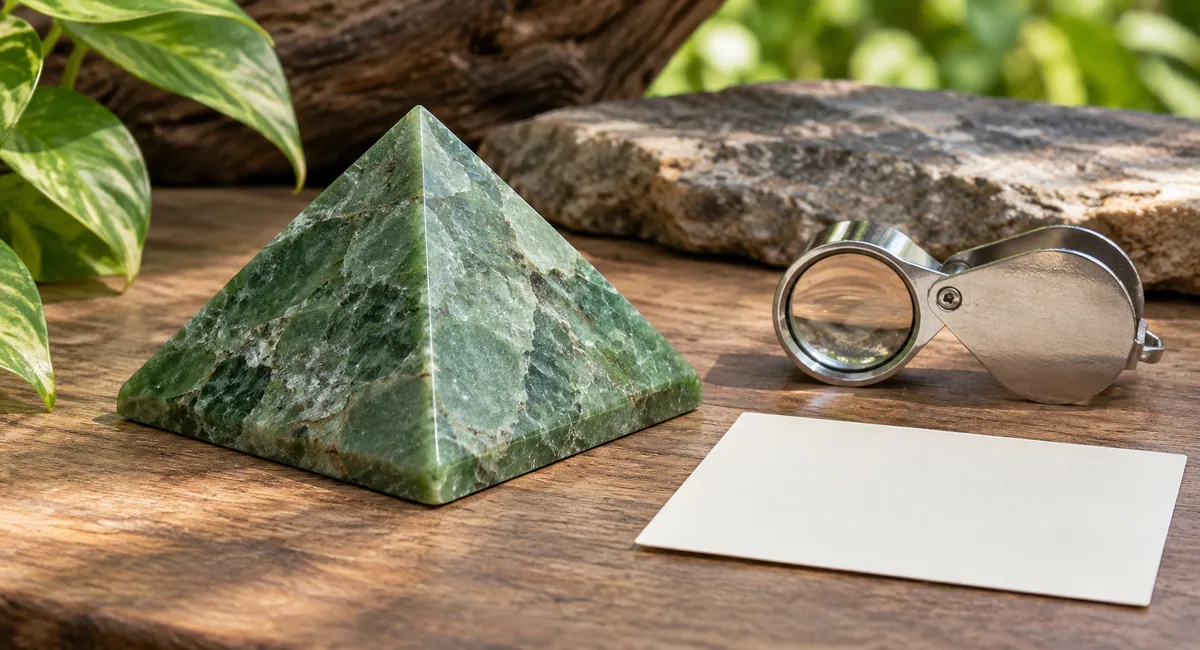
A carving hides information that may be visible on rough material. The base may be polished smooth, veins may pass through a face, and artificial colour can collect around fissures. A systematic inspection is more useful than relying on one dramatic photograph or a seller's claim that the stone “feels cold”. Use a padded surface and good light; record which observations are facts and which are only suspicions.
- Read the listing literally. Is the label simply “jade”, or does it say nephrite jade, jadeite jade, serpentine or aventurine? Is it presented as a natural solid carving, composite, resin-filled or assembled item?
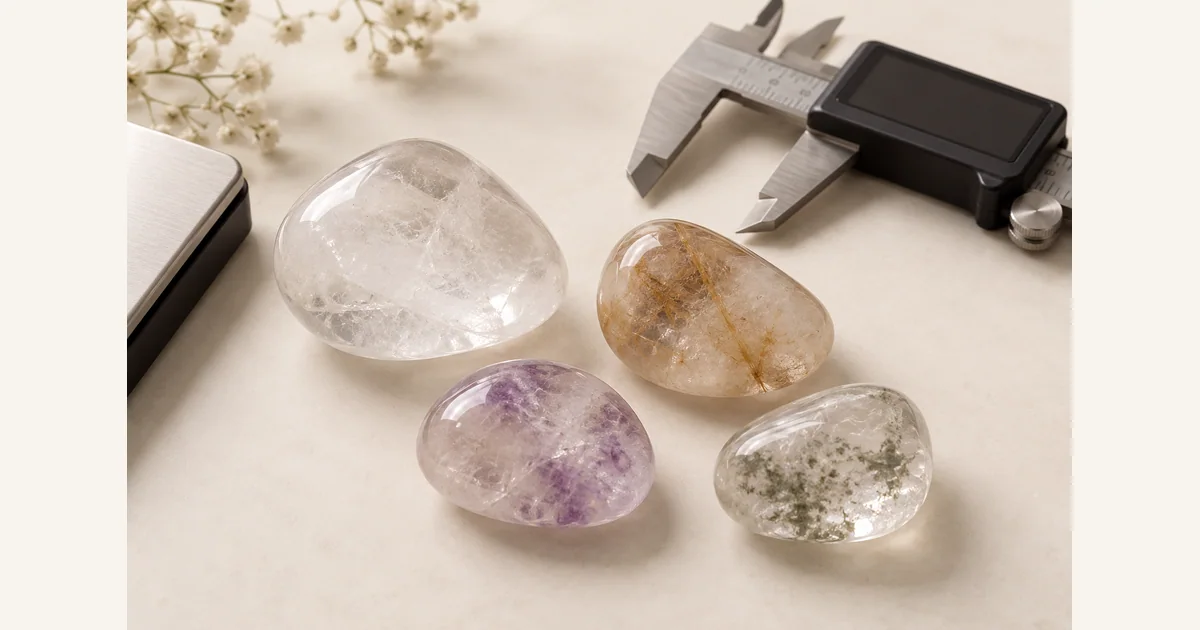
- Record the specimen. Note the pyramid's height, square-base dimensions, weight, colour, lustre and visible inclusions. Photograph all four triangular faces, base and tip with a scale.
- Use two lighting conditions. Compare a shaded daylight photograph with neutral indoor light. Extremely vivid blue or green may change dramatically with exposure or colour temperature.
- Look for material clues. Examine mottling, granular or fibrous textures, visible pores, dye concentrated in cracks, patchy coatings, glue lines or repaired corners. No single observation proves identity.
- Check construction. A solid stone pyramid, bonded stone segments, stone powder in resin and glass casting are different products. Look at the base and edges, not just the front face.
- Check documentary evidence. A report should name the material and, where tested, state detectable treatment. Match photographs, dimensions or other identifiers to the pyramid being sold.
- Refer a disputed high-value specimen to a competent gemological laboratory. Microscopy, refractive-index methods where applicable, specific-gravity methods and advanced spectroscopy such as Raman or infrared analysis may help distinguish genuine jade from lookalikes and detect treatments.
None of these steps encourages cutting the object, applying acid, heating it, scratching a finished face or dipping it in household chemicals. If no reliable identification is available, a low-cost decorative pyramid can be sold transparently as “green decorative stone; mineral identification not supplied”, with the description revised after testing.
8. Understanding Type A, B, C and B+C jade
In the jadeite trade, A, B and C are treatment descriptions, not a universal ranking of beauty. Their exact use can differ between laboratories and markets. A fine-looking piece may be treated; an unattractive or low-value jadeite piece can still be untreated. Read the written report and treatment notes, not only a letter on a packet.
| Letter used in the trade | Common meaning | What it does not establish |
|---|---|---|
| A jade | Natural jadeite, with no significant treatment beyond traditional surface waxing or polishing | Does not by itself guarantee high colour quality, good carving or high market value |
| B jade | Acid-bleached jadeite subsequently impregnated with polymer resin | Does not mean “second-best natural untreated jade” |
| C jade | Dyed jadeite in widely used trade shorthand | Does not say which dye or how durable the colour is |
| B+C jade | Material subjected to bleaching/impregnation and dye treatment | Does not become untreated because its colour looks natural |
| Other coated, assembled or imitation material | Requires its own identification and treatment statement | Cannot be authenticated just by printing A/B/C on a tag |
Some trade systems use letter terms in slightly different ways, especially across jadeite and nephrite offerings. For expensive carvings, ask the seller to quote the laboratory's actual result. Distinguish “natural colour”, “natural mineral”, “untreated”, “surface wax” and “not tested”: those phrases are not synonyms. A treatment disclosure also does not tell you whether the pyramid is carved neatly, has stable corners or matches its advertised size.
9. Colour, translucency and price: what should a pyramid buyer compare?
Jade is valued through a combination of identity, colour, translucency, texture, workmanship, treatment status, size and market context. A carved Vastu pyramid adds geometric features that a ring or bead does not have. Compare two pyramids only after checking whether both are made from the same identified material and whether their treatments and construction are equivalent.
| Buying factor | Inspect on the pyramid | Possible reason for price difference |
|---|---|---|
| Material identity | Written jadeite/nephrite identification or another known mineral | Genuine jadeite, nephrite and serpentine should not be priced as the same material |
| Colour and translucency | Natural-looking colour depth, evenness, mottling and transmitted light | Rarity and overall visual quality can affect value |
| Treatment | Disclosure of dye, polymer, coating, impregnation or other enhancement | Untreated and treated material are not equivalent listings |
| Carving workmanship | Symmetric faces, centred tip, stable base, clean corners and finish | Careful cutting and polishing take skill and time |
| Solid versus composite | Seams, repairs, bonded layers, filler or resin casting | A carved solid specimen differs from a reconstructed or assembled product |
| Size and weight | Actual height, base width and weight in recorded units | A photograph without scale cannot justify a size-based price |
| Documentation | Report identity, lab method and match to the exact piece | Material certainty is valuable when the claim and price are substantial |
For everyday Vastu display, an accurately identified green aventurine or serpentine pyramid may offer attractive appearance at a more accessible price than fine jadeite. Genuine nephrite can be desirable for its dense, carved-stone feel. When jadeite is presented as high-value collectible material, demand more specific evidence. Neither “premium”, “energised” nor “imported” identifies the mineral.
10. Jade in cultural traditions, and jade in Indian Vastu practice
Jade has a profound history in East Asian carving and symbolism. In Chinese traditions, jade is associated with refinement, virtue, longevity and treasured ornamental or ritual objects; a bi disc is a well-known ceremonial form. This rich history should be attributed correctly rather than recast as an ancient Indian instruction for placing coloured pyramids at every compass point.
In Indian traditions, Vastu Shastra considers orientation, spatial organisation, entrances, light, circulation and the relationship of areas to directions and the Pancha Mahabhuta (earth, water, fire, air and space). The directional guardians or Ashta Dikpalas form another traditional interpretive framework. Jyotisha has its own Ratna and Navaratna correspondences, while Yantra, Mantra, Sankalpa and ritual placement belong to distinct practices.
“Green jade for prosperity”, “blue jade for communication”, “yellow jade for positive energy” and “black jade for protection” are best described as contemporary gemstone-colour associations used in some Vastu or crystal arrangements. They can be explained respectfully and used deliberately, but they should not be presented as a direct quotation from a classical Vastu text. Likewise, the gemstone used for a planetary prescription is not determined by colour alone: Panna (emerald) for Budha, Pukhraj (yellow sapphire) for Guru and Neelam (blue sapphire) for Shani are not interchangeable with green, yellow or blue jade simply because their colours resemble one another.
11. Colour-based Vastu placement: illustrative arrangements, not automatic prescriptions
The same pyramid can be used as a devotional display, an educational specimen, a decorative centrepiece or part of a practitioner-designed Vastu set. Start with the room's function and the quality of the space, then decide whether colour symbolism contributes meaningfully. Keep the pyramid stable, visible and easy to clean. A correct mineral label should remain attached to the inventory, not taped permanently onto the stone.
| Contemporary colour theme | Illustrative placement | Intended display focus | Important distinction |
|---|---|---|---|
| Green stone or verified green jade | Living room shelf or a study display with plants | Growth, renewal and a harmonious green accent | Do not equate green jade with emerald as a formal Budha gemstone |
| Blue stone or verified blue jade | Quiet reading nook or consultation desk | Calm conversation and reflective attention | Blue alone does not authenticate jadeite or determine a Vastu direction |
| Yellow stone or verified yellow jade | Work table or bright, tidy display niche | Learning, clarity and auspicious presentation | Do not substitute it for yellow sapphire in Jyotisha |
| Black stone or verified black jade | Stable low shelf or protected display cabinet | Grounded visual contrast and collected focus | Protection symbolism should not replace spatial assessment |
A professional consultation first checks the plan: which way the main entrance faces, where light and ventilation enter, how the room is used, what the centre and corners contain, and whether the proposed object is practical. There is no sound reason to make the same green-jade rule for every home regardless of architecture. The colour chart above is a usable design aid, not a substitute for those basic Vastu observations.
12. Worked example: an eight-pyramid identification and display kit
Imagine a shop wants to show buyers why colour labels should not be mistaken for mineral names. Assemble eight small carved pyramids with two specimens in each colour family. This is an illustrative comparison kit, not a claim that a specific OmmRudraksha bundle contains those eight materials. Only source pieces actually offered and document every specimen individually.
| Pair | Specimen 1 | Specimen 2 | Lesson |
|---|---|---|---|
| Green | Lab-identified nephrite or jadeite | Identified green aventurine | Similar colour, different material and pricing |
| Blue | Confirmed rare blue jade if genuinely available, otherwise label a comparison card rather than substituting | Identified blue sodalite or dyed stone with disclosure | Rarity claims need stronger proof |
| Yellow | Documented yellowish genuine jade where available | Identified yellow serpentine or another named mineral | Warm colour does not establish jade |
| Black | Identified very dark nephrite or jadeite | Identified black obsidian | Black jade and volcanic glass have different origins |
If documented jade pieces in a particular colour are not available, do not silently replace them with unverified lookalikes. Use a clearly marked empty comparison position, a photograph with its source noted or a different verified specimen. An educational set is useful because it exposes the limits of colour-based selection—not because each label can be filled at any price.
Arrange the four colour pairs in two rows on a padded neutral tray. Keep each pyramid on a separate labelled position with a specimen ID, material, colour, treatment, measurements, supplier and date acquired. A small magnifier and a neutral lighting card can help compare visible polish and inclusions. For a showroom demonstration, let customers see both the polished faces and the bases. For an online listing, show those same angles rather than relying only on the most flattering hero photograph.
In a Vastu consultation, the kit serves a different purpose: it helps a client see why an identified natural stone, a commercially dyed stone and a colour-coded symbolic object may be used differently. The practitioner can explain traditional directional ideas and contemporary gemstone symbolism without confusing either with a gemstone laboratory report.
13. Safe cleaning and storage of jade-labelled pyramids
When a pyramid has a confirmed material and no vulnerable treatment, follow the care guidance appropriate to that material. Until identity is known, dry dusting with a soft, clean cloth is the safest starting point. Avoid prolonged soaking, aggressive cleaners, household acids, steam, ultrasonic treatment, hot-water shocks, adhesive removers and abrasive scouring. Polymer-filled, dyed, coated, assembled and softer lookalike materials may respond differently from an untreated piece.
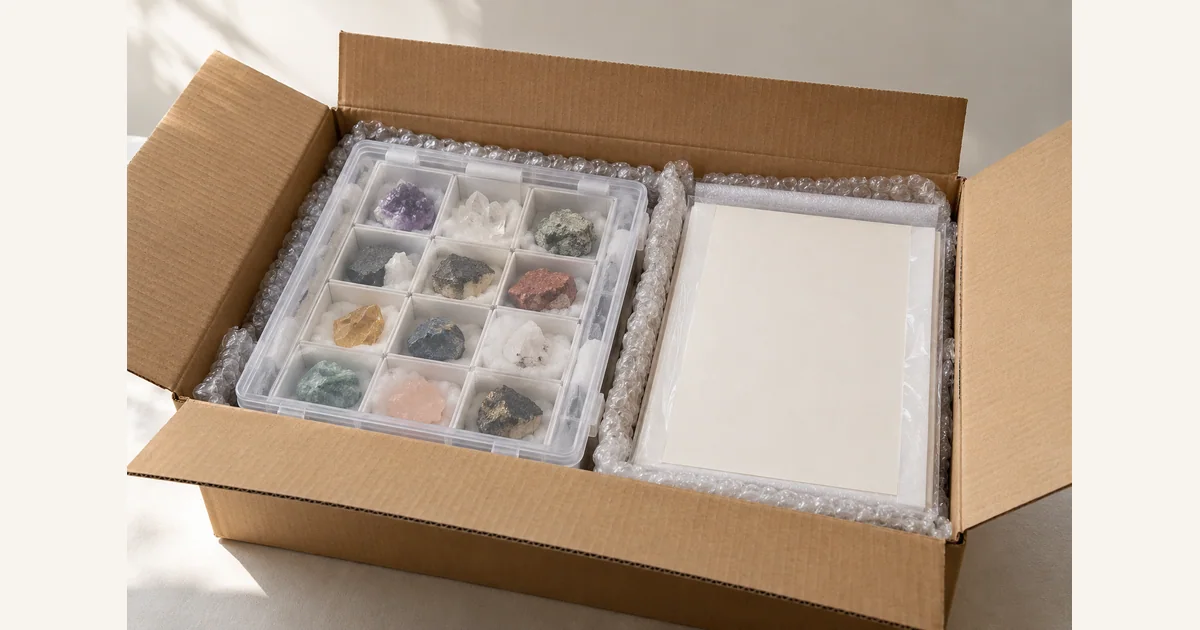
Store pyramids individually or on a softly lined shelf so their tips and corners do not strike one another. Keep the labels on the tray, box or inventory card, not on the polished faces. Do not leave intense display lighting against dyed or treated objects for long periods without checking care instructions. Use a stable base away from edges and children's reach. If the seller cannot identify the body, ask for conservative care instructions until the material is clarified.
14. Supplier questions that make the difference
- What is the exact material: jadeite jade, nephrite jade, qualifying laboratory-identified jade, or another named mineral?
- Does “green”, “blue”, “yellow” or “black” describe the natural colour, a dyed colour, or a marketing name?
- Has the material been treated by bleaching, polymer impregnation, dyeing, coating or surface filling?
- Is the pyramid carved from one solid block, assembled from pieces, or cast from crushed material and resin?
- Can you provide photographs of the base, side faces, point and any seams under neutral light?
- What are the height, base dimensions and actual weight of the specific item?
- If a gemological report is cited, can its identification and specimen details be matched to this exact pyramid?
- Are the listed colours and minerals in stock individually, or is the seller using generic images for a variable lot?
- What is the return procedure if a tested mineral identity differs materially from the listing?
- Are the care instructions suitable for the documented mineral and its treatments?
For a budget decorative item, a precise, modest description may be enough. For an expensive jadeite claim, third-party identification can be proportionate to the price. A vendor need not certify every inexpensive pyramid to sell honestly; it does need to avoid presenting an unverified name as a tested identity.
15. Common questions about jade pyramids
Is every green jade pyramid made from genuine jade?
No. Jadeite and nephrite exist in green, but many other materials are marketed as green jade. A polished surface and cool feel are not reliable tests. Ask for the identified mineral before comparing it to genuine jade products.
Can blue jade be natural?
Yes. Rare blue jadeite has been documented, so an unusual colour does not automatically mean imitation. But the existence of rare natural blue jadeite does not establish that a particular low-priced blue pyramid is made of it. Require identification and treatment evidence for a premium claim.
Is black jade merely dyed green jade?
Not necessarily. Some genuine jade appears extremely dark. Other black-jade items may be dyed, coated or made from unrelated materials. The specific specimen must be identified and its treatments disclosed.
Does “A jade” mean the pyramid is top quality?
No. A is treatment shorthand, not a universal visual grade. Workmanship, symmetry, polish, colour, translucency, material identity and condition still need separate assessment.
Can a jade-coloured stone be used in a Vastu arrangement?
Yes, when named accurately. Someone may choose a green aventurine or yellow serpentine pyramid for appearance and symbolic purpose without representing it as genuine jade. For a traditional planetary gemstone recommendation, the prescribed Ratna and its suitability should be considered separately.
Which colour pyramid should a shop display?
Start with the shop's purpose, palette, safe shelf position and the actual stones available. Green, blue, yellow and black make an attractive teaching comparison. If the goal is to sell genuine jade, identity and treatment disclosure come before colour-based marketing.
16. Final purchasing checklist
Before paying for a jade-labelled pyramid, complete this short sequence: identify the material → disclose treatments → verify construction → inspect dimensions and finish → compare price with like material → decide the intended spiritual or decorative role → record care instructions. This prevents a trade name from carrying more meaning than the underlying object supports.
The strongest jade pyramid listing tells the reader exactly what is being sold, presents its visible qualities attractively, explains its Vastu or decorative application, and preserves the boundary between classical tradition and contemporary crystal arrangements. That approach builds a useful and trustworthy collection, whether the customer chooses genuine nephrite, fine jadeite, an accurately named aventurine pyramid or a deliberately colour-matched study set.
Explore existing OmmRudraksha collections
Browse Vastu for the existing collection, or explore gemstone products for other material forms. Each product’s construction and care information should guide your choice.