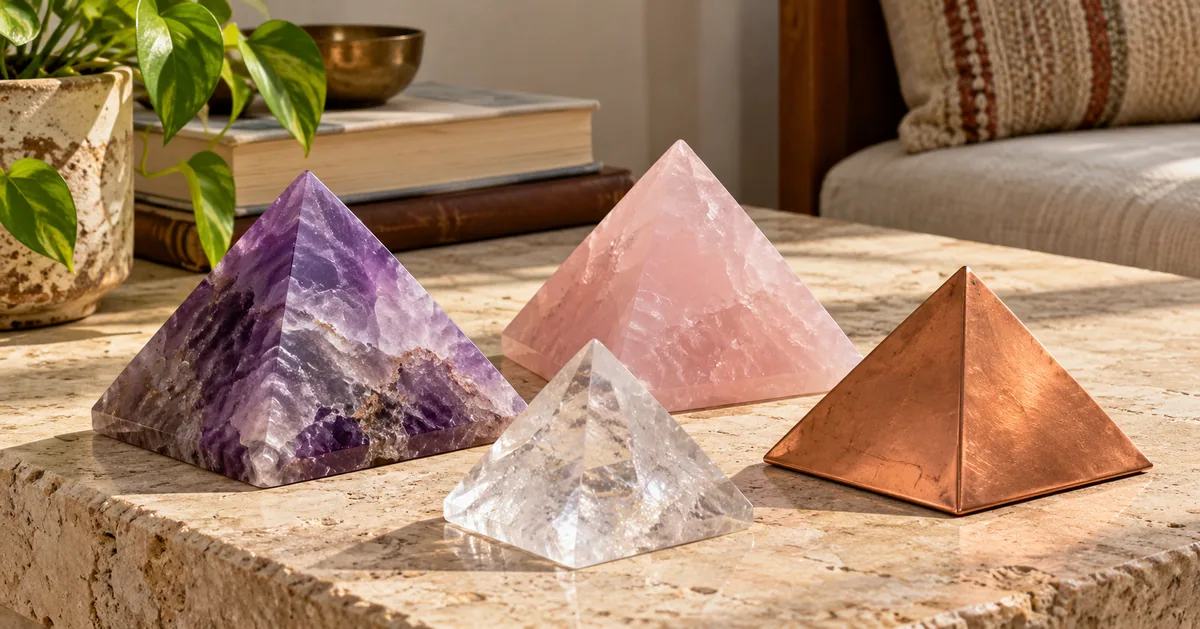
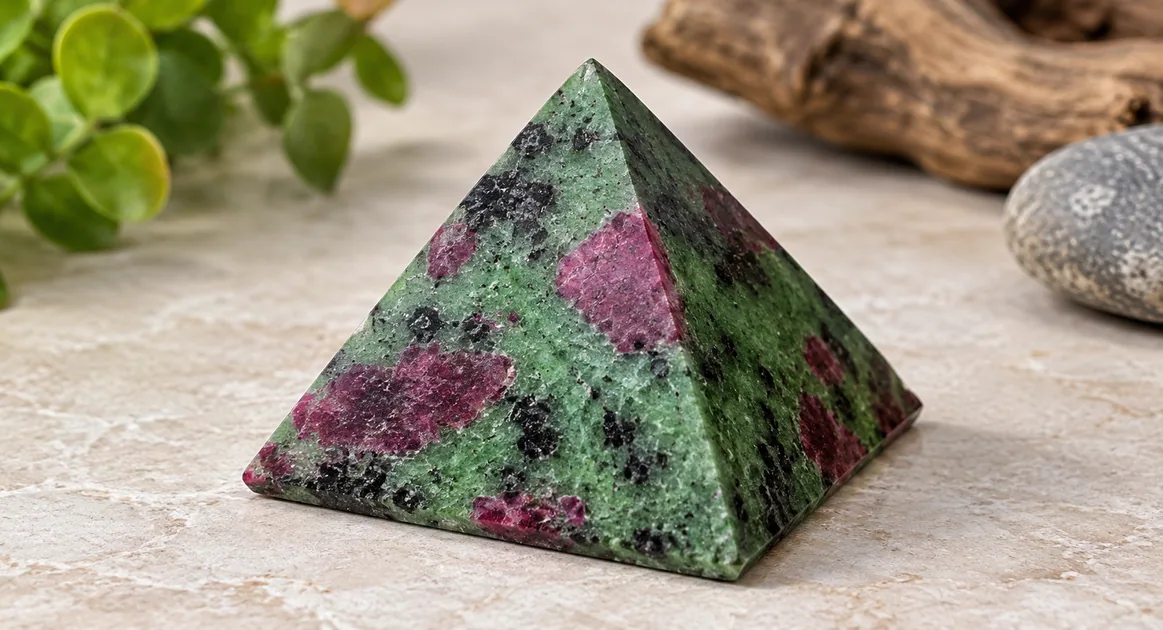
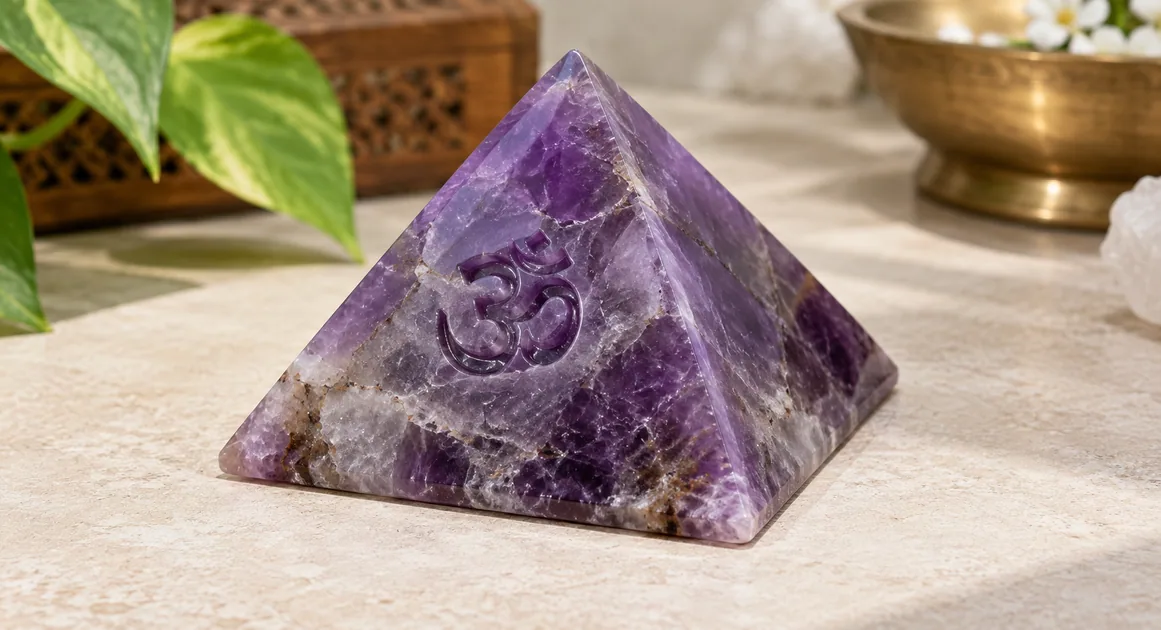
Where should you place tumbled gemstones in a home or office? Begin with the purpose of the space, then the Vastu direction, and finally the particular gemstone. A small Sphatik stone beside a puja shelf, an aventurine-and-citrine arrangement in a business workspace, or a pair of rose quartz stones in a family room all tell a different story. This guide explains those choices, the traditional associations behind them, and practical layouts for flats, home offices, shops and professional cabins.
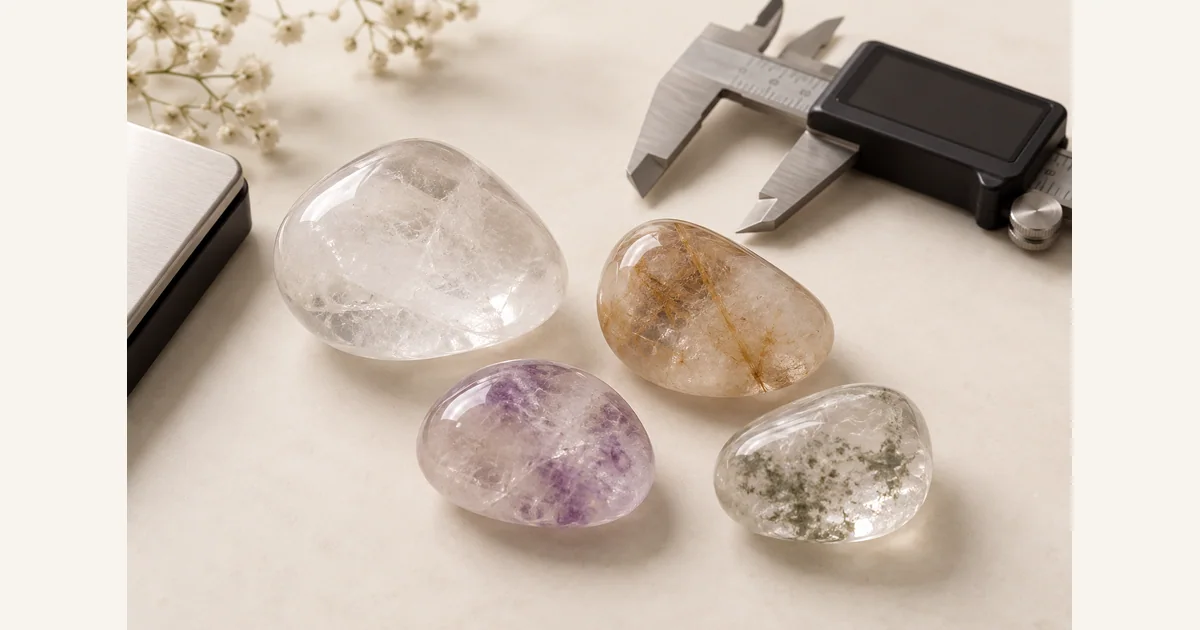
Tumbled stones are natural or processed mineral pieces polished to rounded forms. Unlike a fixed pyramid or gemstone tree, individual pieces can be arranged as a pair, a small group, a compass-based display or a compact intention set. In contemporary Vastu and crystal practice, the stone, colour, orientation and purpose are considered together. This is why a thoughtful three-stone set can be more meaningful than placing twenty unrelated crystals wherever there is empty shelf space.
What tumbled gemstones represent in Vastu
Traditional Vastu Shastra is concerned with the arrangement of spaces in relation to direction, proportion, use, light, movement, the Vastu Purusha Mandala and the Pancha Mahabhuta (Prithvi, Jala, Agni, Vayu and Akasha). Each direction has a guardian, or Dikpala, and an associated character. North is connected with Kubera and resources; north-east or Ishanya with worship and contemplation; south-east or Agneya with Agni, the fire principle; and north-west or Vayavya with Vayu, movement and exchange.
Using rose quartz, citrine, tiger eye or black tourmaline in specific zones is part of a more recent Vastu-inspired gemstone practice that combines directional symbolism with mineral and colour associations. The classical architectural principles and a modern crystal arrangement are related in intention, but they are not identical prescriptions. Knowing which is which makes placement more thoughtful: the north direction comes from a traditional directional system, while choosing green aventurine to symbolize opportunity is a crystal-selection convention.
There are three levels of placement to distinguish. The building zone is identified from the centre of the full plan, the room zone from the centre of the individual room, and the display position is the actual shelf, desk or tray. For a small crystal arrangement, first decide whether you are addressing the whole home or one working room. Do not measure north from one corner today and from the desk tomorrow: that produces contradictory placements.
Find directions before choosing stones
- Sketch the usable floor plan, including the entry door, windows and major fixed furniture.
- Mark its approximate centre and establish north using a compass away from steel cupboards, magnets and other interference. Cross-check the reading.
- Divide the plan into north, north-east, east, south-east, south, south-west, west, north-west and centre. Write the relevant room names in the zones.
- Identify the purpose: daily puja, mental calm, a welcoming entrance, study, client discussion, business intentions or family harmony.
- Choose one suitable stone or a small coordinated group. Place it securely in a clean, visible location appropriate to the room's use.
For example, an east-facing entrance does not automatically mean the east edge of every desk is the entrance zone. A shop's north sector and the north portion of its cash counter are different reference points. Note which plan you are using on a small placement card when preparing a professional recommendation.
Vastu directions and contemporary gemstone choices
| Direction | Traditional association | Gemstones commonly selected today | Home or workplace example |
|---|---|---|---|
| North (Uttara) | Kubera; resources, livelihood and opportunity | Citrine, green aventurine, pyrite | A small prosperity-intention tray on the north side of an office or workroom |
| North-east (Ishanya) | Ishana; worship, contemplation and spiritual clarity | Sphatik (clear quartz), amethyst | A clean shelf near a prayer or meditation corner |
| East (Purva) | Indra/Aditya; sunrise, renewal and activity | Green aventurine, Sphatik | A study or morning-work desk with a small green-and-clear arrangement |
| South-east (Agneya) | Agni; fire, transformation and purposeful action | Carnelian, red jasper, citrine | A warm-colour arrangement on a safe shelf away from cooking heat |
| South (Dakshina) | Yama; order, responsibility and discipline | Red jasper, hematite | A grounding-themed shelf near files or structured work materials |
| South-west (Nairritya) | Nirriti/Pitru in differing traditions; stability and anchoring | Rose quartz, smoky quartz, hematite | A pair of rose quartz tumbles as a family-harmony symbol in a private room |
| West (Paschima) | Varuna; depth, reflection and completion | Lapis lazuli, sodalite, amethyst | A restrained blue-stone arrangement near a reading shelf |
| North-west (Vayavya) | Vayu; communication, movement and social exchange | Moonstone, sodalite, blue lace agate | A conversational corner or meeting shelf |
| Centre (Brahmasthan) | Brahma/Akasha; the organizing centre | Usually keep the passage open; optional small Sphatik display on a suitable side surface | Avoid turning a central walkway into a stone display |
How to read this table: the directional names and symbolic associations belong to Vastu traditions; the particular polished-stone choices reflect contemporary crystal practice, which varies between practitioners. The chart is a selection aid, not a rule that every room must contain nine gemstone groups.
Which stones are chosen for which intentions?
A customer's question is usually not “Which mineral looks good?” It is “I want a peaceful puja corner,” “I have a client-facing desk,” or “I want a symbolic reminder of family harmony.” Choose the stone by that purpose, then consider location and material.
| Tumbled stone | Common spiritual or symbolic association | Suitable arrangement | Useful identification note |
|---|---|---|---|
| Clear quartz / Sphatik | Purity, clarity, prayer, meditation and Sankalpa | Single stone or three-stone puja group | Quartz may contain natural veils or inclusions |
| Amethyst | Calm, contemplation and inner steadiness | Quiet study or meditation shelf | Purple quartz can show pale and dark zoning |
| Rose quartz | Affection, compassion, interpersonal harmony | Two-stone family or bedside arrangement | Pink colour commonly appears cloudy rather than transparent |
| Citrine | Prosperity, optimism, commercial intention | North work shelf or business-goal tray | Ask whether material is natural citrine or heat-treated quartz |
| Green aventurine | Growth, new beginnings, opportunity | East study space or north office group | Usually quartz-rich with subtle shimmering inclusions |
| Tiger eye | Resolve, judgment, confident negotiation | Client-facing desk or decision-making area | Fibrous chatoyancy creates the moving light band |
| Carnelian | Vitality, initiative, purposeful effort | South-east-inspired working arrangement | Orange-red translucent chalcedony |
| Red jasper | Grounding, endurance and determination | South-oriented or study-work shelf | Typically more opaque than carnelian |
| Black tourmaline | Traditional protection, boundaries and grounding | Secure entrance-side bowl or shelf | A polished piece may retain pits and internal fractures |
| Hematite | Grounding, discipline and steadiness | Private work desk, south or south-west group | Metallic grey with noticeably high density |
| Sodalite / lapis lazuli | Thoughtful speech, learning and communication | West reading area or north-west meeting corner | Sodalite and lapis are different materials; do not substitute silently |
| Moonstone | Gentleness, receptivity and emotional equilibrium | North-west or quiet personal space | Ask for actual material identity and optical appearance |
These are symbolic selection traditions, not a fixed astrological Navaratna prescription. A Vedic Jyotish recommendation for a gemstone worn on the body may require birth-chart analysis, Graha and house lordship, and Dasha context. A decorative or devotional tumbled-stone group for a room answers a different question. Do not sell an eight-direction desk arrangement as though it were a personally calculated Kundali remedy.
Five home arrangements you can create with ordinary tumbled stones
1. The puja and meditation corner: three stones
Purpose: a small arrangement that helps the family identify and maintain a devotional space. Use two Sphatik tumbles and one amethyst, placed in a shallow dry tray beside—not on top of—the sacred objects. In a north-east prayer space, Sphatik has an established place in Hindu devotional culture and amethyst adds a contemporary calming association. A short daily Sankalpa or mantra practice can be part of the family's routine. Keep diyas, incense embers and liquids separate from the stones.
2. The family-harmony corner: a balanced pair
Purpose: warmth in a bedroom or private sitting area. Select two rose quartz tumbles, similar in size, in a simple stone or wood dish. The paired composition symbolizes mutual respect and affection; some contemporary Vastu advisers favor a south-west location, especially in a bedroom. If the actual south-west is occupied by a cupboard, a safe bedside shelf is a more sensible place than an inaccessible corner behind furniture. The key is an intentional, stable arrangement rather than an elaborate pile.
3. The entrance: a three-stone welcome set
Purpose: a deliberate transition between outdoors and home. One black tourmaline, one clear quartz and one green aventurine can represent boundaries, clarity and a positive welcome. Position them on a low, stable console near—but not obstructing—the entrance. This is a modern crystal arrangement, not a mandatory architectural Vastu remedy. For a small apartment with children, a closed-edge tray or glass-fronted shelf may be preferable to loose stones on the floor.
4. The student's desk: concentration as a daily intention
Choose one clear quartz, one fluorite or amethyst, and one green aventurine. Place them to the side of the active writing area, not between books and computer controls. In traditional home-Vastu discussions, east and north are frequently preferred for studying. The stones can mark the beginning of a study session: clear the desk, state today's learning goal and begin. A student working with a two-foot-wide table does not need a large crystal grid; three pieces in a palm-sized dish are enough for the intended symbolism.
5. The living-room prosperity shelf
For a north-facing living-room shelf, arrange green aventurine, citrine and clear quartz with a small card describing the family's intention—such as careful budgeting, a new enterprise or long-term growth. Citrine and aventurine are popular in contemporary prosperity-oriented crystal practice; north's Kubera association is a traditional directional theme. Keep the set away from direct harsh sunlight and do not place valuable or fragile stones on an unsecured high shelf.
How to arrange tumbled stones in a home office
A home office has two overlapping identities: it is part of a dwelling, and it is a working space. A Vastu-oriented plan therefore considers the workroom's position in the house, the direction the person faces, where the door and daylight fall, and the purpose of each display. Stones should complement these decisions, not replace a functional workstation.
| Work area | Suggested small set | Traditional or contemporary purpose | Placement notes |
|---|---|---|---|
| Personal writing desk | Clear quartz + tiger eye + green aventurine | Clarity, decisions and professional growth | On a stable side corner; keep cables and paperwork accessible |
| North-side work shelf | Citrine + aventurine + pyrite | Business and livelihood intention associated with Kubera | A dry tray, especially for pyrite, not a water bowl |
| Client-meeting table | Sodalite + rose quartz + clear quartz | Listening, clear speech and respectful discussion | A single low bowl that does not block eye contact |
| Private reading/meditation shelf | Amethyst + Sphatik | Reflection and contemplative practice | Out of bright direct sun and away from incense heat |
| Reception counter | Green aventurine + clear quartz + tiger eye | Welcome, opportunity and confident interaction | Beside the reception materials; not where customers sign |
For professional spaces, use a desk-sized set of three to five stones before considering a larger arrangement. A 25-stone crystal grid belongs on a dedicated display table or a workshop surface, not necessarily on a cashier's working counter. If you operate from a rented office, portable arrangements are easy to reposition when the desks change.
Worked example: a Bengaluru apartment with a home office
Imagine an east-entry, two-bedroom Bengaluru flat. The family has a north-side study desk, a south-west bedroom and a north-east corner used for morning prayer. The resident asks for a practical gemstone arrangement for focus, prosperity intentions and family harmony.
- North-east prayer shelf: two Sphatik tumbles and one amethyst in a dry dish. Keep the lamp and water vessel separate.
- North home-office desk: tiger eye, green aventurine and clear quartz in a small tray at the far side of the desk. Use the arrangement as a cue to review work priorities.
- South-west bedroom: two rose quartz stones beside a family photograph, away from the bed edge.
- Entrance console: a single black tourmaline in a stable holder, if the family likes that traditional-protection symbolism.
- Central passage: leave the Brahmasthan clear. No crystal pyramid or loose stones should create an obstacle in the main walking path.
This example uses nine tumbled pieces across four intended locations (3 + 3 + 2 + 1). It demonstrates a much clearer approach than buying one enormous mixed bag and scattering stones around the flat. A resident whose study sits in another zone would still identify the room's actual use and orientation before adapting the set.
Worked example: an office cabin and reception
Now consider a six-person consultancy in a rented commercial unit. Its owner sits toward the south-west part of the floor, the reception desk is near the entrance, and client meetings happen along the north-west side of the room. In many contemporary office-Vastu approaches the south-west symbolizes the owner's stability, and north or east-facing work is frequently preferred.
The owner chooses a three-stone desk set—tiger eye for considered decisions, clear quartz for a clear intention and hematite for a grounding theme. At reception, a single compact arrangement of aventurine and citrine represents hospitality and commercial aspiration. In the meeting zone, one sodalite and one rose quartz are chosen as symbols of listening and respectful conversation. The three groups have different purposes, so there is no reason to repeat the identical collection at every table.
For a jewellery or Rudraksha showroom: the billing counter should remain usable for customers, invoices and packaging. A shallow citrine-and-aventurine prosperity tray can sit on a separate north-side shelf, while the product-display cabinet carries properly labelled mineral samples. The sample held for sale should not be confused with the owner's personal Vastu arrangement. That distinction improves both customer experience and product inventory accuracy.
Worked example: setting up a professional demonstration tray
A Vastu consultant may need to show why people select stones rather than merely list their names. Prepare a portable nine-position board with a compass arrow and removable labels for the eight directions plus centre. Use a separate inventory of eight distinct stones (for example: clear quartz, green aventurine, carnelian, red jasper, rose quartz, sodalite, moonstone and citrine) and leave the centre physically open. This is a modern teaching arrangement based on the directional symbolism described earlier; the labels should say so.
During a consultation, ask the homeowner to place the compass arrow on the floor-plan copy, match the direction labels, then select one or two zones that matter to their question. Demonstrate a south-east fire-themed carnelian choice and a north-east meditation-oriented Sphatik choice. Show how the same type of stone can belong to a different *display purpose* without changing its mineral identity. Pack the eight stones in numbered cells so that the layout is reproducible at the next session.
How many stones do you actually need?
| Setting | Useful starting count | Why this is sufficient |
|---|---|---|
| One personal intention on a desk | 1–3 stones | Easy to identify and maintain, without crowding active work |
| Prayer, study or bedside pair | 2–3 stones | Simple symbolic relationship and consistent placement |
| Entrance or business reception | 3–5 stones | Small coordinated arrangement, quick to move when cleaning |
| Eight-direction demonstration | 8 or 9 positions | Shows directional relationships clearly on a labelled board |
| Professional teaching/reference kit | 12–25 specimens | Room for identifying different minerals and comparing purposes |
These counts are layout examples, not rules for spiritual practice. For an individual home or desk, the easiest set to keep clean and meaningful is often the better choice. For a practitioner, more pieces are valuable only when they add distinct information and are clearly labelled.
Choose the physical material carefully
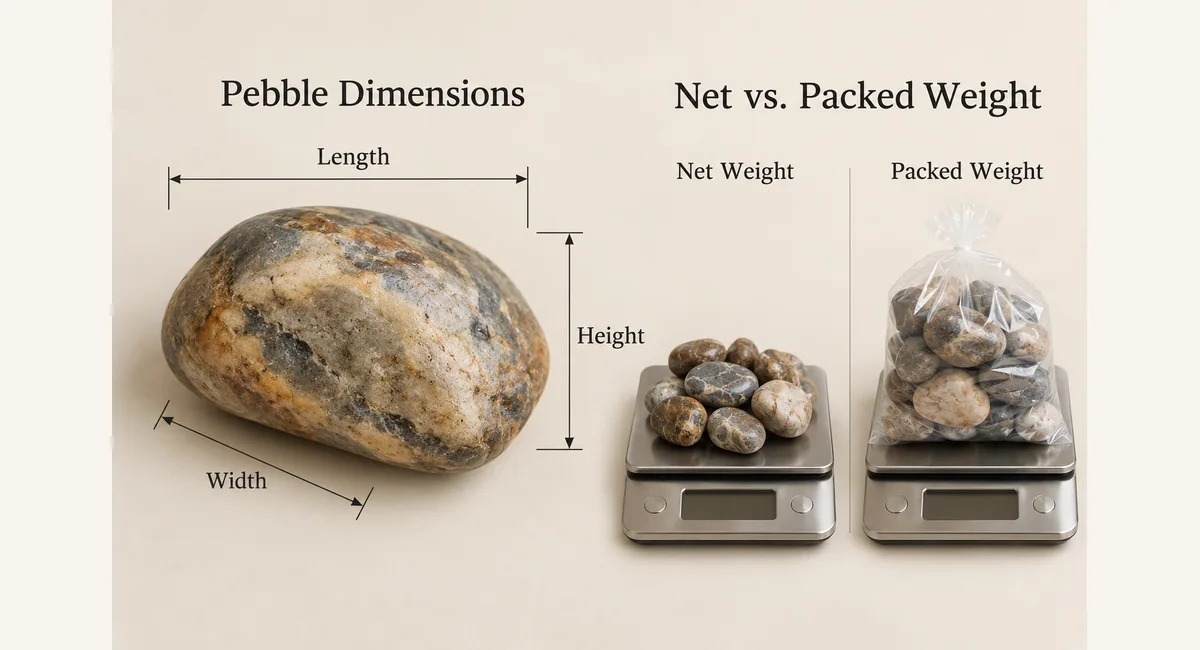
Mineral identity matters in a specialist store. Clear quartz is not Selenite; sodalite is not lapis lazuli; black tourmaline is not black onyx. Ask for the actual stone name, whether it has been dyed or treated, the size of each piece and how many stones the set includes. Natural colour variations are common. A catalogue photograph cannot prove that all pieces in the next batch will share exactly the same shade.
For a display used every day, choose a shallow rimmed tray, a felt-lined container or a dedicated recess that prevents rolling. A damp or frequently cleaned location may be unsuitable for a wooden bowl, pyrite or porous/delicate materials. Amethyst can fade in prolonged intense sunlight, and abrupt temperature change may harm some stones. Wipe suitable tumble-polished stones gently and use mineral-specific cleaning instructions rather than soaking every crystal in salt water.
Material care also matters in devotional practice. People may use a mantra, Sankalpa, incense, flowers or a brief puja to dedicate a gemstone arrangement. Follow the family's tradition, but keep open flames, hot ash and liquids away from vulnerable stones and wooden containers. If the stones are used for professional demonstration, keep the identification card separately from the devotional intention card.
Common mistakes when placing Vastu crystals
- Choosing a stone first and inventing a purpose afterward: write down the purpose before shopping.
- Mixing whole-home and single-room compass readings: label which floor plan each direction refers to.
- Filling the Brahmasthan with objects: an open centre is itself an important architectural idea in Vastu.
- Confusing a crystal set with a Kundali-based gemstone prescription: the first is a room arrangement; the second is an astrological selection method.
- Using too many colours and stones: small coherent arrangements are easier to understand and maintain.
- Placing stones in unsafe spots: avoid walkways, hot kitchen counters, unstable window ledges and edges accessible to children.
- Ignoring material identity: ask whether citrine has been heated, or whether a black pebble is tourmaline, onyx or another mineral.
- Forgetting the room's ordinary purpose: keep the desk workable, the prayer place respectful and the reception counter accessible.
Frequently asked questions
Which tumbled stone is commonly kept in the north of an office?
Citrine, green aventurine and pyrite are popular contemporary prosperity-intention choices. North's association with Kubera is the traditional directional background. For an actual desk, use a compact dry tray and confirm the orientation instead of placing stones wherever the room happens to have a spare corner.
Can I keep Sphatik at home for puja or meditation?
Yes. Sphatik (rock crystal/clear quartz) has a long-standing devotional presence in many Hindu practices. A single polished piece or a small group can be kept respectfully on a clean shelf near a puja or meditation area. The exact custom depends on the family's tradition.
Is rose quartz suitable for the bedroom?
Rose quartz is commonly selected for affection and relationship harmony in contemporary crystal practice. A pair can be placed in a stable dish near a family photograph or on a side shelf. South-west is a frequently mentioned Vastu-inspired choice, but there is no need to disrupt the bedroom layout to force an inaccessible position.
Should the home entrance have black tourmaline?
Black tourmaline is often chosen as a modern protective or grounding symbol. A single piece near the door is enough for a simple arrangement. Its position must not obstruct the entrance or sit loose on the floor. It is optional, not a compulsory component of every home.
Can I put citrine, amethyst and tiger eye together?
Yes, if the arrangement has a clear purpose—for example commercial aspiration, calm judgment and decision-making. In a small home office, use three labelled specimens on a tray. If following a strict directional or astrological method, select according to that method instead of assuming every popular stone must be combined.
What if I do not know my room's exact direction?
Start with a simple floor-plan sketch and a compass measurement away from magnetic interference. Check more than one reading if nearby steel or electronics affect the compass. Until you are confident of the orientation, you can still make a small intention-focused arrangement without claiming that it is a precise directional remedy.
Are a desk crystal arrangement and a Navaratna set the same?
No. A desk arrangement is selected around space and intention. A Navaratna or Navagraha set follows a planetary correspondence system, and a wearable gemstone recommendation in Jyotish may involve the individual birth chart. Even when stones overlap, their selection logic is different.
How often should I change or clean a display?
Dust the shelf and check the stones when you clean the room. Revisit the set when the purpose of the space changes—for example, when a study becomes a home office or reception furniture moves. There is no universal calendar requiring the purchase of new stones each month.
A simple selection checklist
- Identify the room and the symbolic intention.
- Determine the relevant direction if using a Vastu-based method.
- Select one to five gemstones that relate clearly to that intention.
- Confirm material, treatments, dimensions and exact piece count.
- Choose a secure, dry and easily maintained placement.
- Write down what each stone represents; keep product identity and spiritual meaning distinct.
- Revisit the arrangement only when your room, practice or intended purpose changes.
Well-chosen tumbled stones can make a prayer space more deliberate, give a family a meaningful symbol, or help a Vastu consultant explain directions and gemstone associations clearly. The strongest arrangement is one the resident understands: why this stone, why this room, why this direction, and how it will actually be used.
Continue reading
- Gemstone Bowls, Shells and Trays: How to Build a Display
- Cleaning, Storing and Handling Tumbled Gemstones
- Tumbled Stone Sets vs Gemstone Trees and Pyramids
Explore the existing Vastu and gemstone collections for wider context.
Explore the materials and sets
Need Personal Vedic Guidance for Your Kundli?
Our experienced specialists in Bengaluru verify authentic Nepal & Java Rudraksha and Jyotish gemstones matched to your birth chart.